 Wilder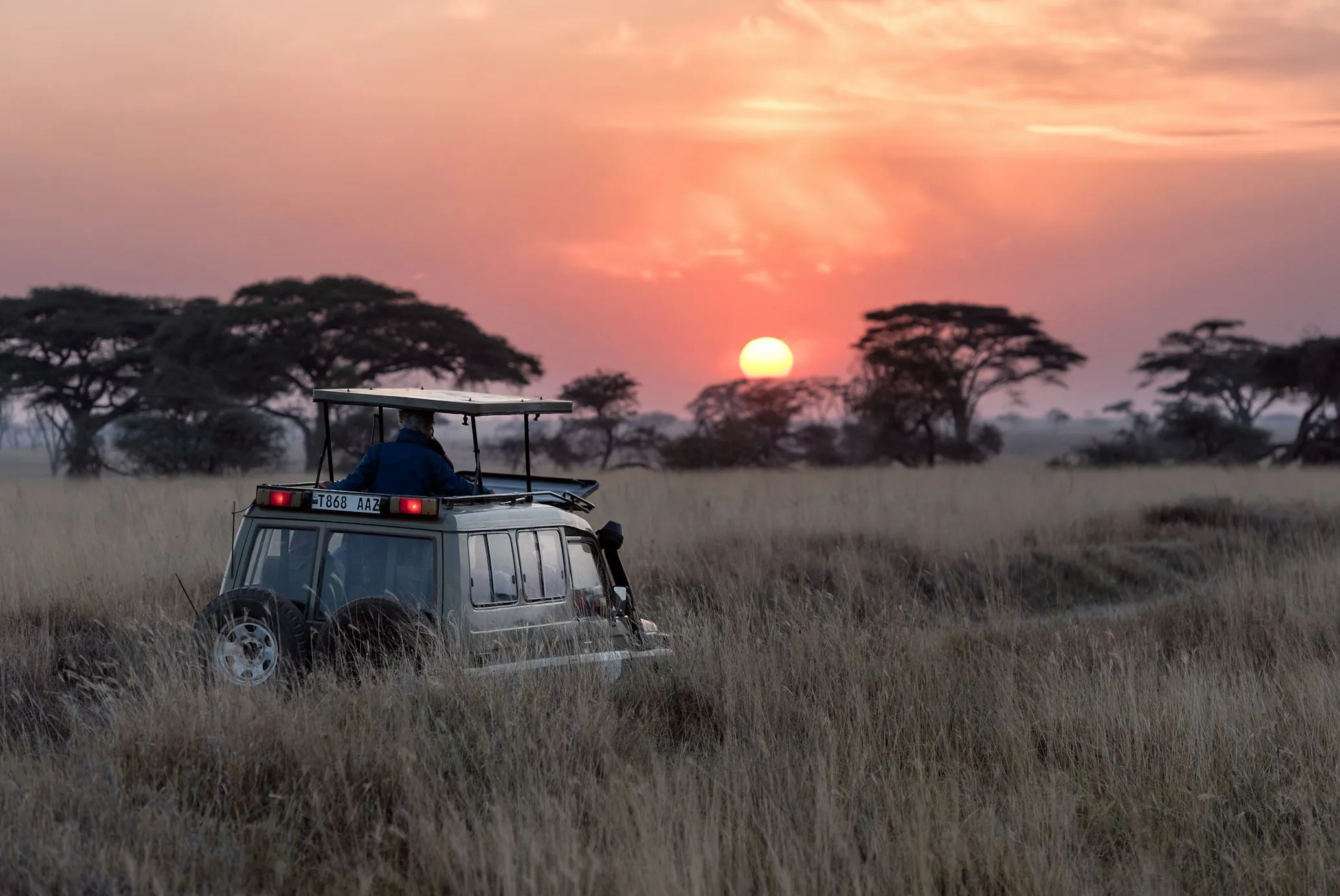

After 15 years of guiding photographers through Kenya's national parks, here are the tips that consistently produce the best wildlife images.
1. Golden Hour is Everything
The first and last hours of sunlight transform ordinary photos into extraordinary ones. The warm golden light creates depth, drama, and beautiful catchlights in animals' eyes. Our game drives are timed specifically around these magic hours.
2. Get Low for Dramatic Angles
Eye-level shots with your subject create the most intimate and powerful wildlife portraits. In our safari vehicles, we recommend shooting from the lowest window openings rather than standing through the roof hatch.
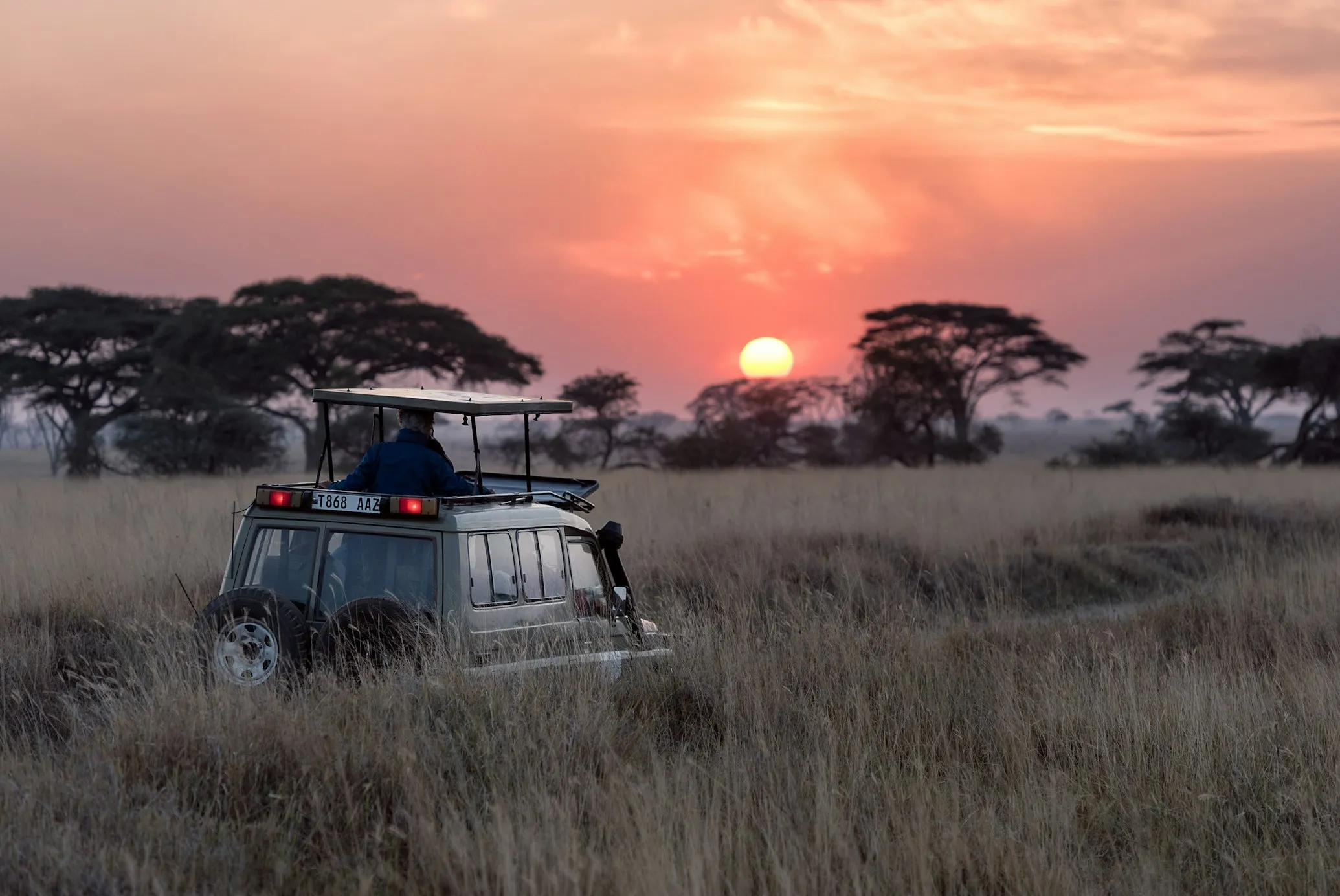
Getting eye-level with a lion creates an incredibly powerful image.
3. Tell a Story
The best safari photos go beyond simple animal portraits. Look for:
- Behavior — hunting, playing, feeding, grooming
- Interaction — mother and calf, predator and prey
- Environment — include the landscape to show scale
- Emotion — the yawn, the stare, the charge
4. Camera Settings for Safari
- Shutter priority mode (Tv/S) — set at 1/1000s minimum for sharp wildlife
- Auto ISO — let the camera handle changing light conditions
- Continuous autofocus (AI Servo/AF-C) — for tracking moving animals
- Burst mode — fire multiple frames to catch the perfect moment
💡 Pro Tip
Bring a beanbag for your lens. Place it on the vehicle door frame for incredibly stable shots. Much better than a monopod or handheld!
5. Patience Pays Off
The greatest wildlife moments rarely happen immediately. Be prepared to wait at a waterhole, a den, or a hunting scene. The patience you invest will be rewarded with images that make other photographers jealous.
"Your best photo will come from the moment you least expect. Stay ready, stay patient, and keep shooting." — John Mwangi
Photography Safari
Join our specialized photography safaris with expert guides who know exactly where to position you for the best shots.
Book Photo Safari