 Wilder

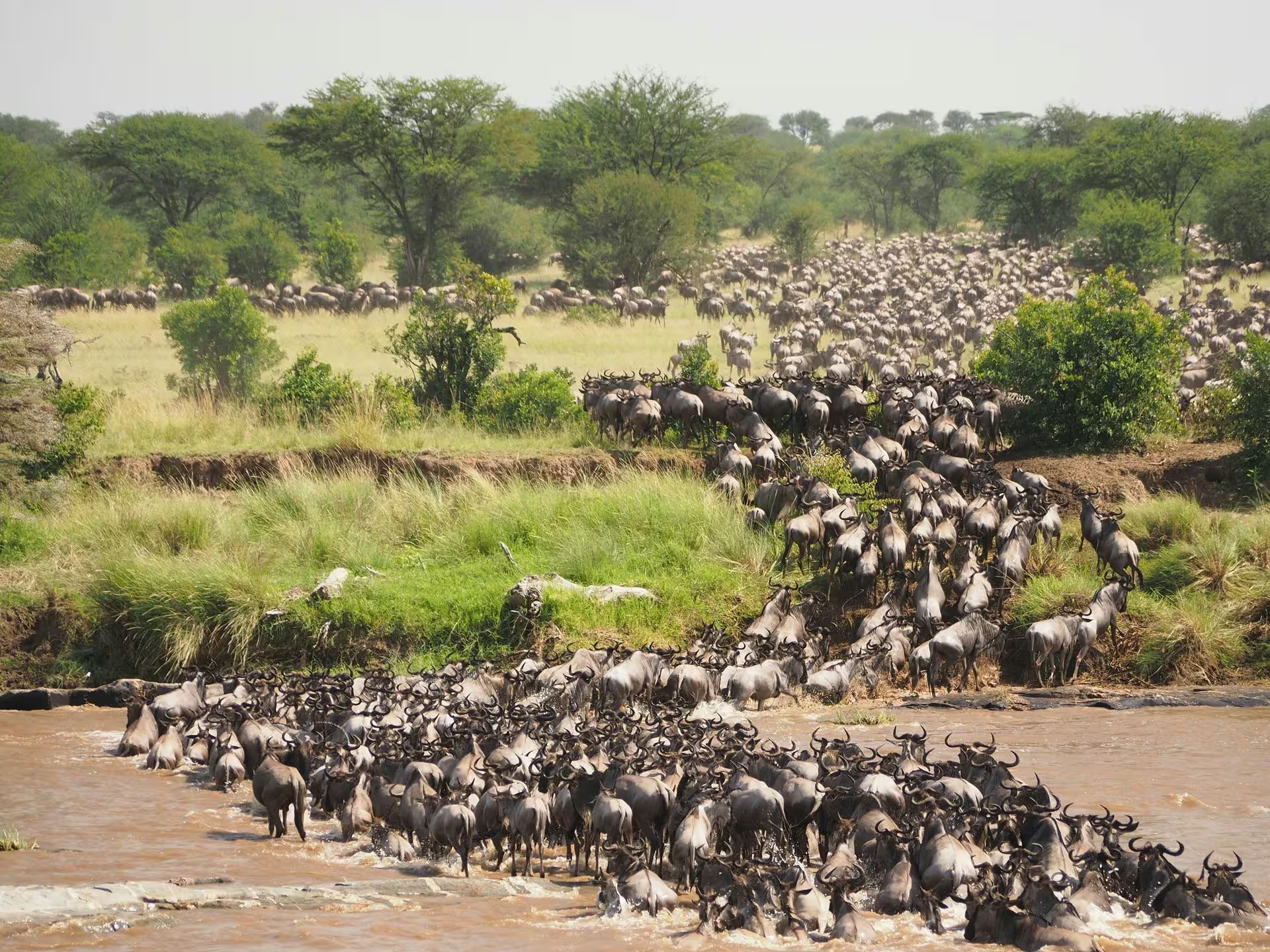
The Great Wildebeest Migration is the largest overland migration on Earth — over 1.5 million wildebeest, 200,000 zebras, and 350,000 gazelles making a circular journey through the Serengeti-Mara ecosystem. Here's your month-by-month guide.
January – March: Calving Season (Serengeti)
The herds gather on the short-grass plains of the southern Serengeti. Around 8,000 calves are born daily during February — a feast for predators. This is one of the best times for dramatic wildlife action.
April – June: The Long Rains
The herds begin their northward journey through the western Serengeti corridor. River crossings at the Grumeti River provide spectacular viewing. The rains make for lush green landscapes.
July – October: The Mara Crossing (Peak Season)
This is the most famous part of the migration. The herds reach the Mara River and must cross its crocodile-infested waters to reach the rich grasslands of Kenya's Maasai Mara.
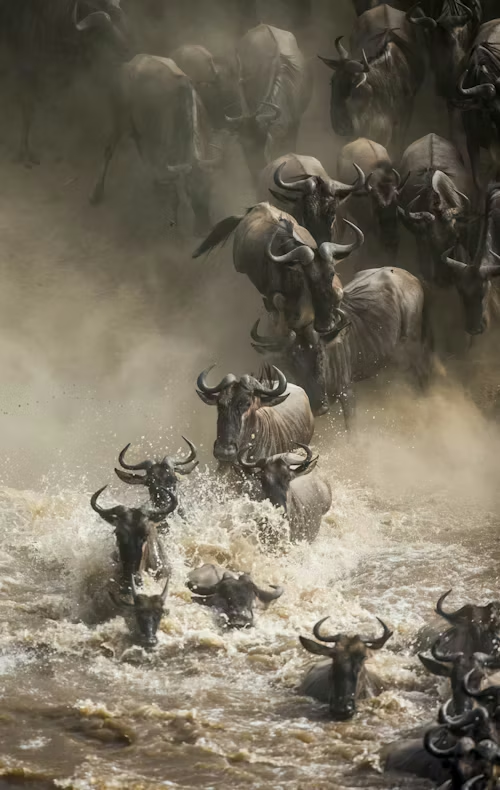
The dramatic Mara River crossing — a once-in-a-lifetime experience.
"Watching thousands of wildebeest plunge into the Mara River while crocodiles wait below is the single most dramatic wildlife event I've ever witnessed." — Peter Ochieng
November – December: Return South
After the short rains begin in East Africa, the herds start their journey back south toward the Serengeti, completing the eternal circle of life.
💡 Booking Tip
July-October camps in the Mara sell out 6-12 months in advance. Book early to secure the best locations near river crossing points!
Witness the Migration Yourself
Our expert guides know exactly where the herds will be. Let us plan your perfect migration safari.
Plan My Migration Safari